Our position
The City Should Say No
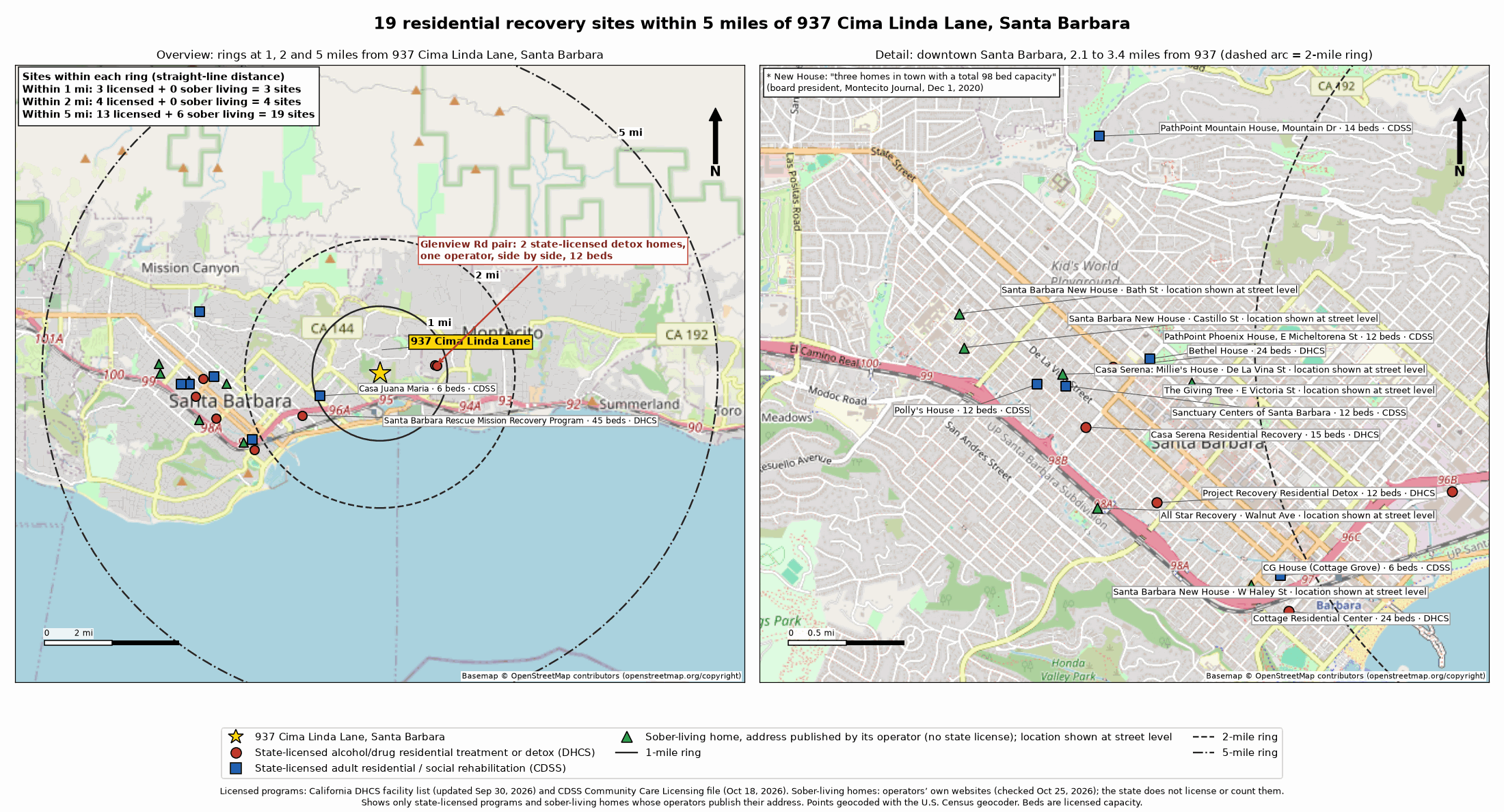
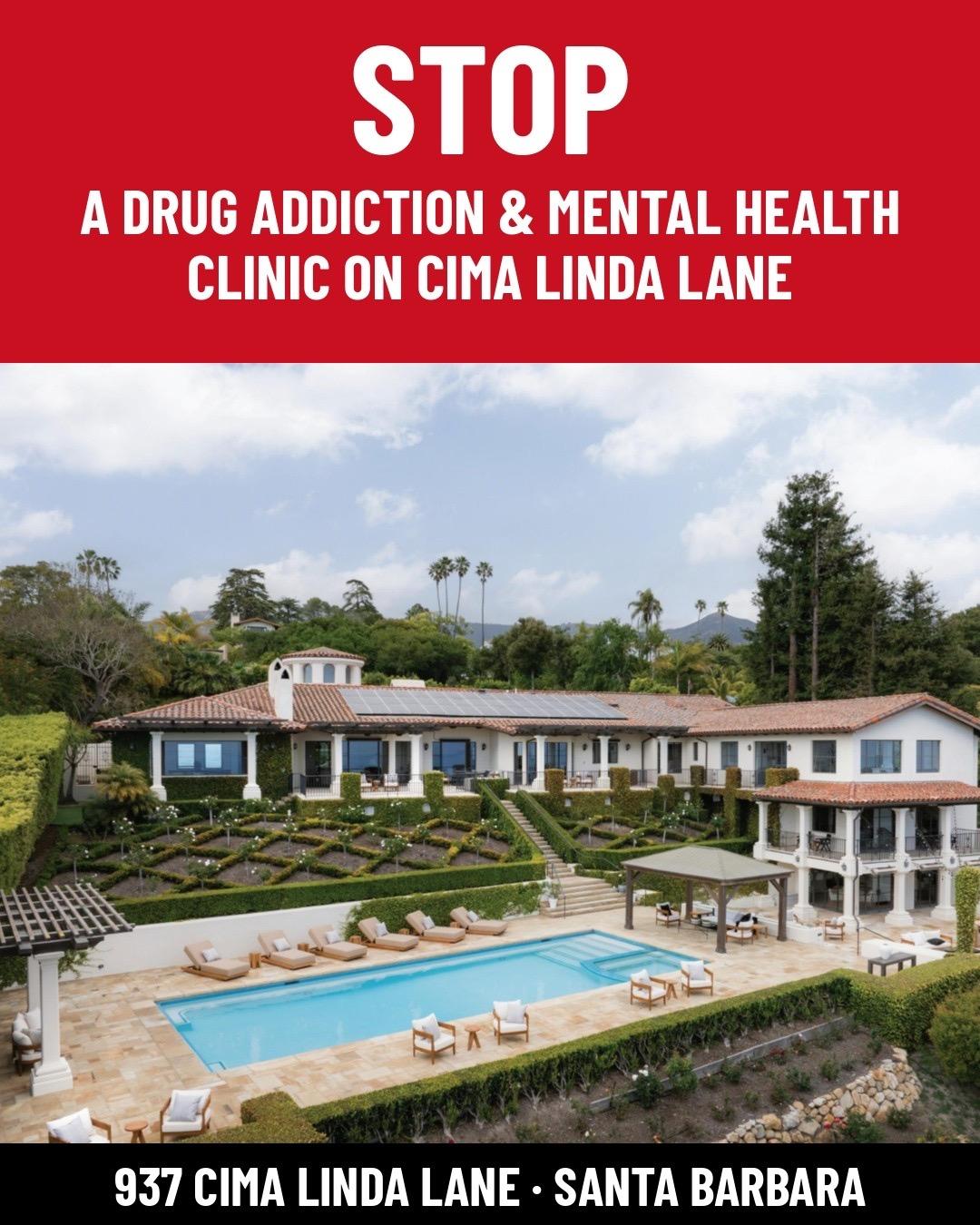
The question before the City of Santa Barbara is simple. Should a commercial medical treatment business operate out of a single-family home at 937 Cima Linda Lane? The answer is no.
937 Cima Linda Lane sits in the City’s High Fire Hazard Area. The City has already written down what that means:
“roads in the foothills are narrow, often steep and vulnerable to emergency conditions. Some of the older roadways are below current access standards and pose challenges to responding emergency vehicles, especially fire engines.”
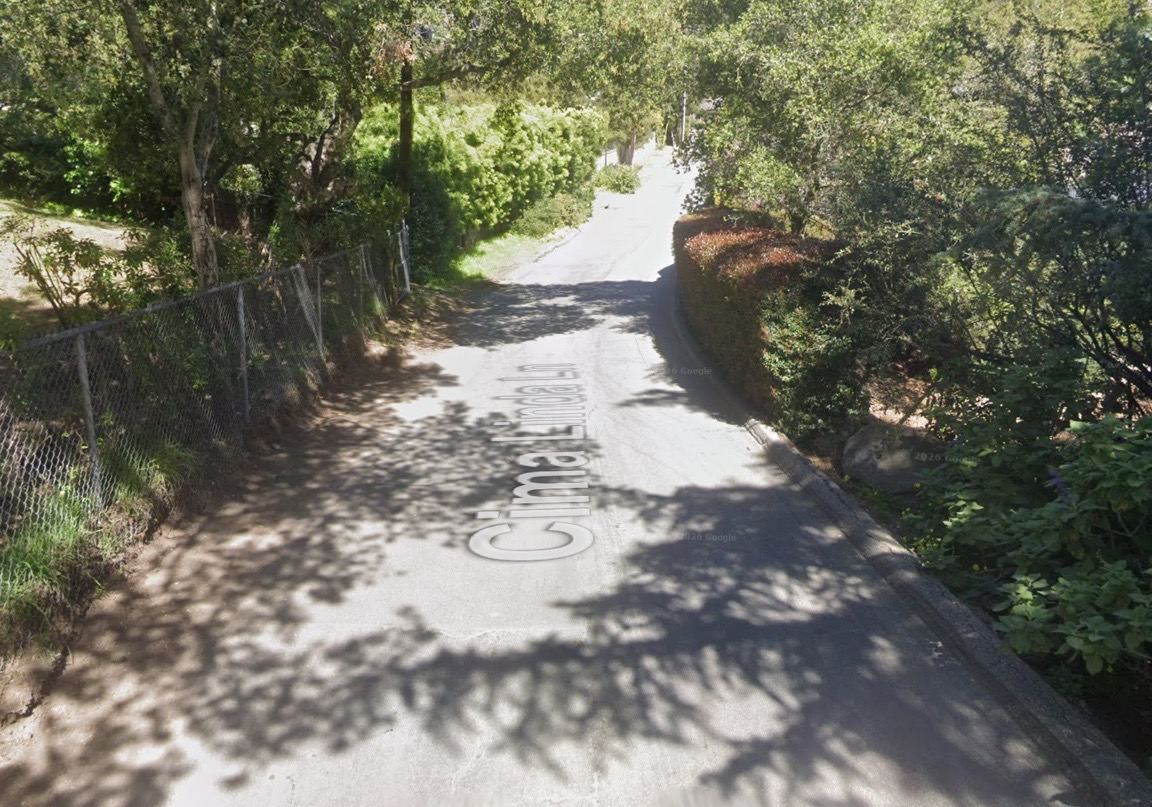
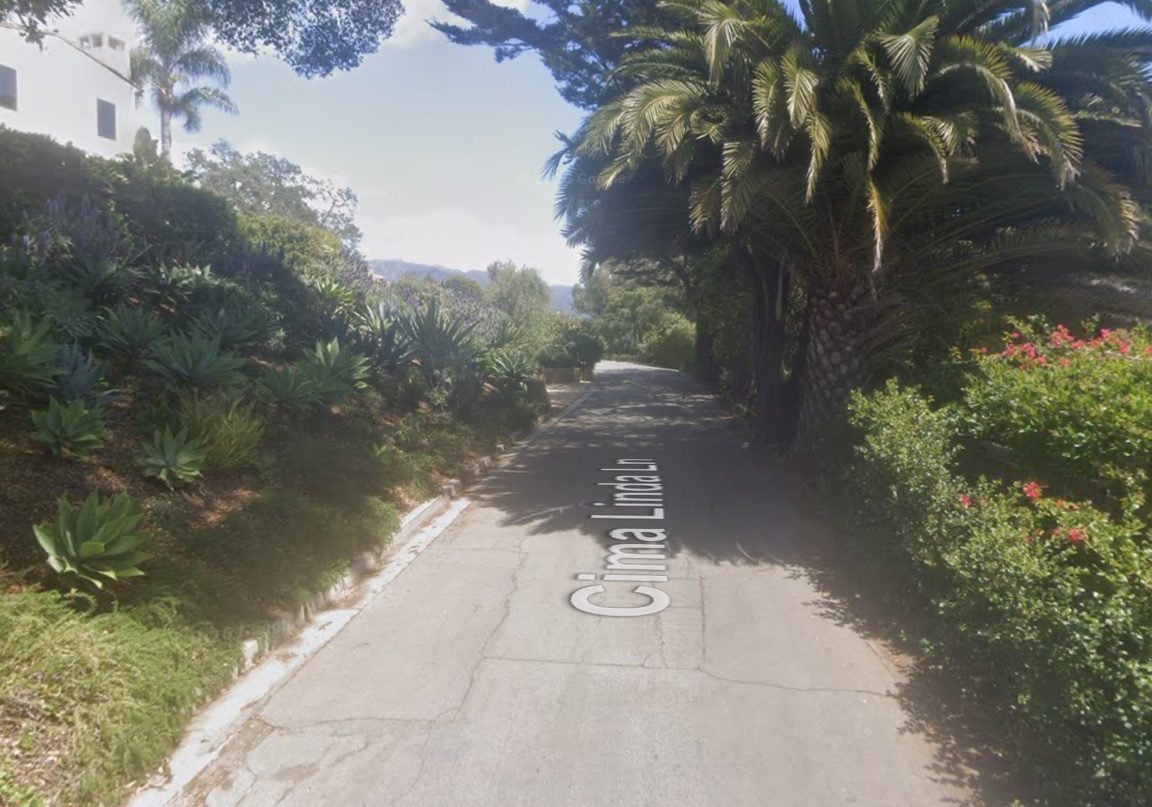
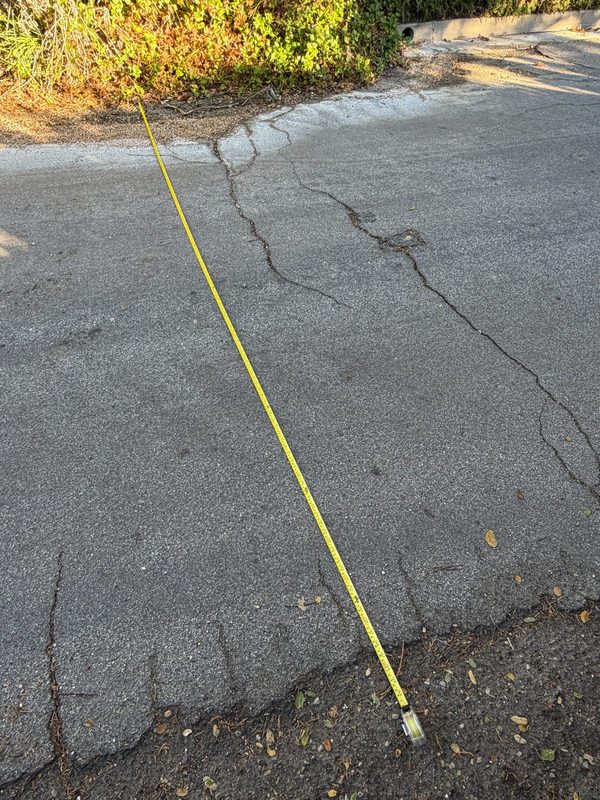
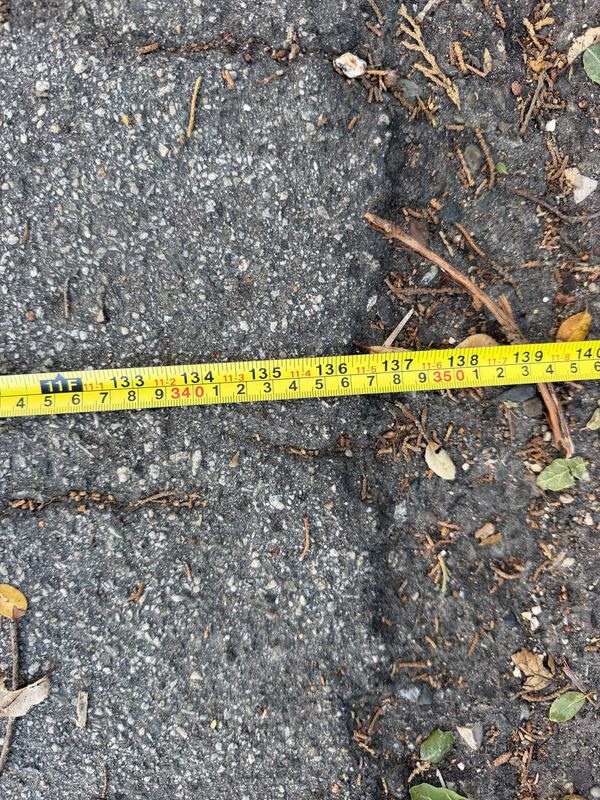
Cima Linda Lane was laid out in 1956. At its narrowest point near 937, it measures 11½ feet. The City’s fire code requires 20. From the lane, a steep driveway drops to the house. The guest quarters sit lower still.
None of this can be renovated away. A fire engine will not get narrower. The hillside will not get flatter. Sundowner winds, which the City’s own findings put at 60 miles per hour or more, will not wait for a shift change.
Now consider who would be at the bottom of that driveway. Casa Amara has registered the house with the federal government as a “Community Based Residential Treatment Facility, Mental Illness.” It is recruiting a physician to provide “direct, on-site medical care,” including “monitoring withdrawal and detoxification.” The building code assumes that residents of a care home can save themselves in a fire. Picture a patient in detox at two in the morning, on sedating medication, as a sundowner drives flames down the canyon. In 1977 the Sycamore Fire burned to Five Points, where Eucalyptus Hill Road begins, and destroyed nearly 200 homes in about seven hours. In 2017 the Thomas Fire put this hill under evacuation orders. Who carries that patient up the driveway? How many patients will there be? How many staff will be on duty at night?
Follow the money. The owner listed this estate in 2025 for $23.5 million. It did not sell. Casa Amara was formed while the house sat on the market. It now markets “luxurious interiors” and a “panoramic view” to patients “from other states or from abroad.” The revenue goes to the operator and the owner. The neighbors get the traffic, the shift changes, the deliveries, the controlled medications and the risk. That is the bargain Casa Amara is offering this lane.
The City has one responsible choice.
Residential treatment matters. So do the lives of the patients, the staff, the neighbors and the firefighters who would depend on this site in the worst hour of a fire season. A business plan cannot change the width of a road. Neither can good intentions.
The City should refuse this operation. It should require a full determination of the actual use, every license and approval the law demands, and an independent assessment of fire access and evacuation. If the site cannot meet those standards, the operation should be prohibited. Santa Barbara’s residents are entitled to a government that acts before a tragedy, rather than one that explains afterward why it did not.
Casa Amara found a beautiful house and a lucrative opportunity. It has not shown that it found a safe and lawful place to operate.
The City should say no.